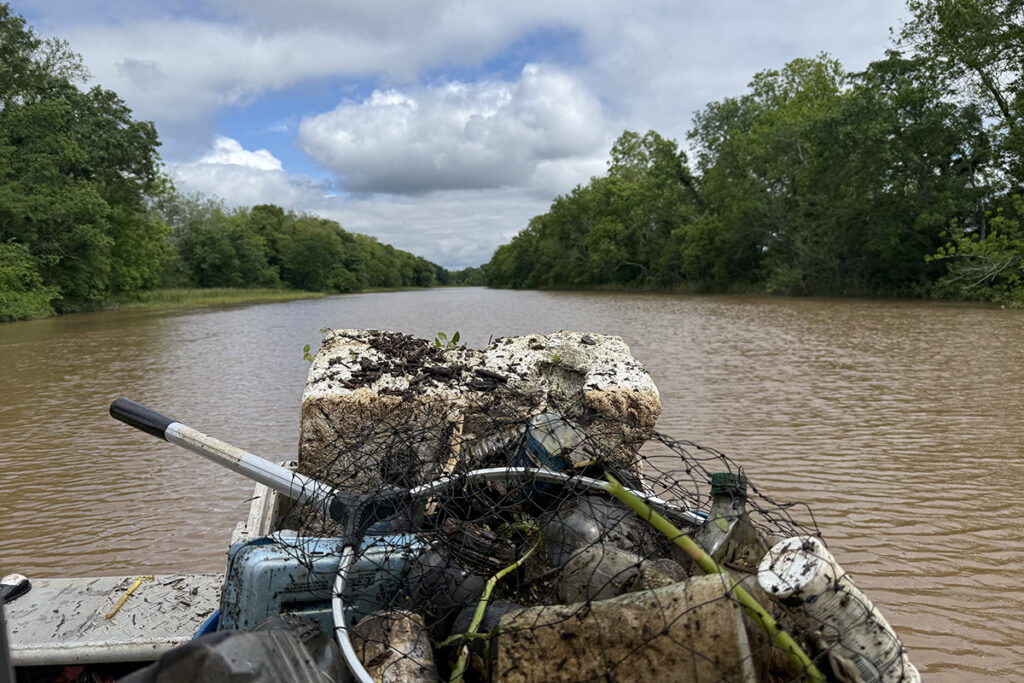
Litter in the water isn’t just ugly—it changes how the ecosystem works.
Litter affects flooding, sedimentation, erosion, navigation, wildlife, water quality, and even local jobs. Here’s what’s happening and what you can do.
Litter affects flooding, sedimentation, erosion, navigation, wildlife, water quality, and even local jobs. Here’s what’s happening and what you can do.
If you spend enough time on the bayous, you start to notice something. Trash doesn’t just disappear when it hits the water. It moves. It gathers. It builds up in certain places. And over timeit starts changing how the water flows through the landscape.
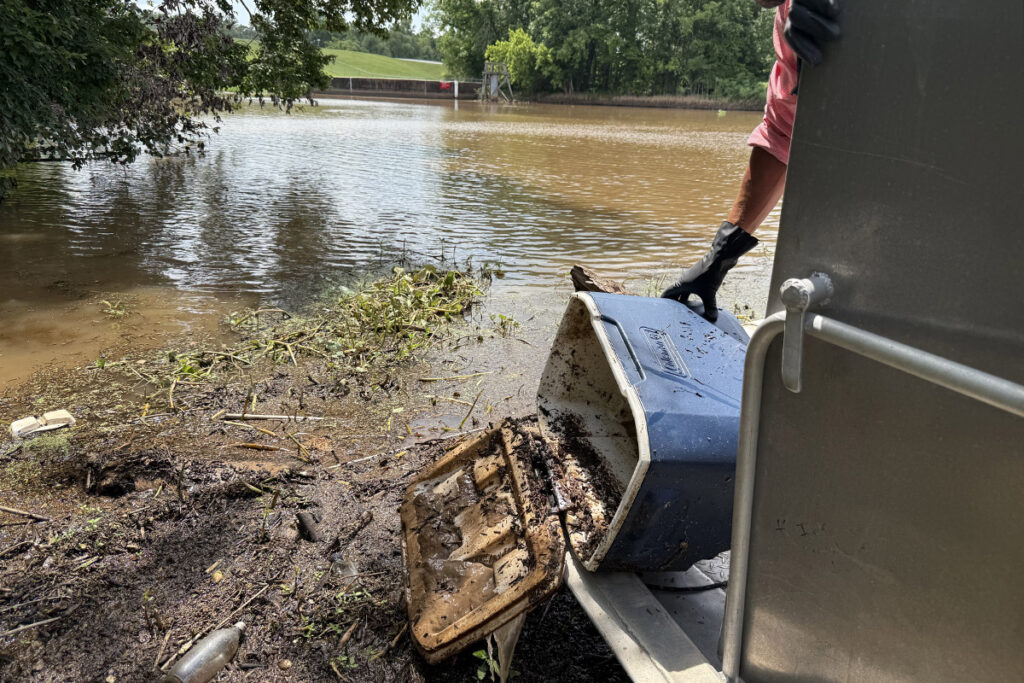
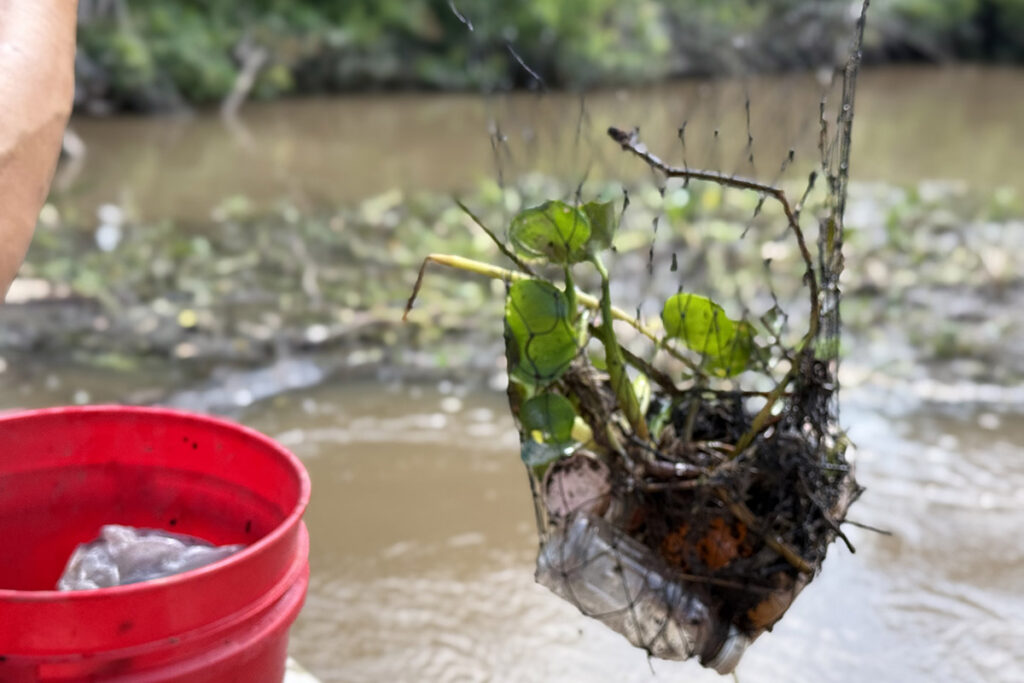
The Louisiana Bayou Society spends a lot of time running boats through small canals, under bridges, through cypress swamps, and around the Atchafalaya Basin. During those cleanups we see the same patterns again and again. Plastic bottles get caught in tree roots. Foam cups collect along shorelines. Old tarps and bags wrap themselves around logs and vegetation.
None of that may seem like a big deal when it’s just one bottle or one bag. But when thousands of pieces of litter move through a water system together, they start causing real problems. Trash in the water affects wildlife, navigation, drainage, agriculture, industry, and even flooding. The goal of this page is to explain how that happens and why keeping trash out of the waterways matters for everyone who lives and works here.
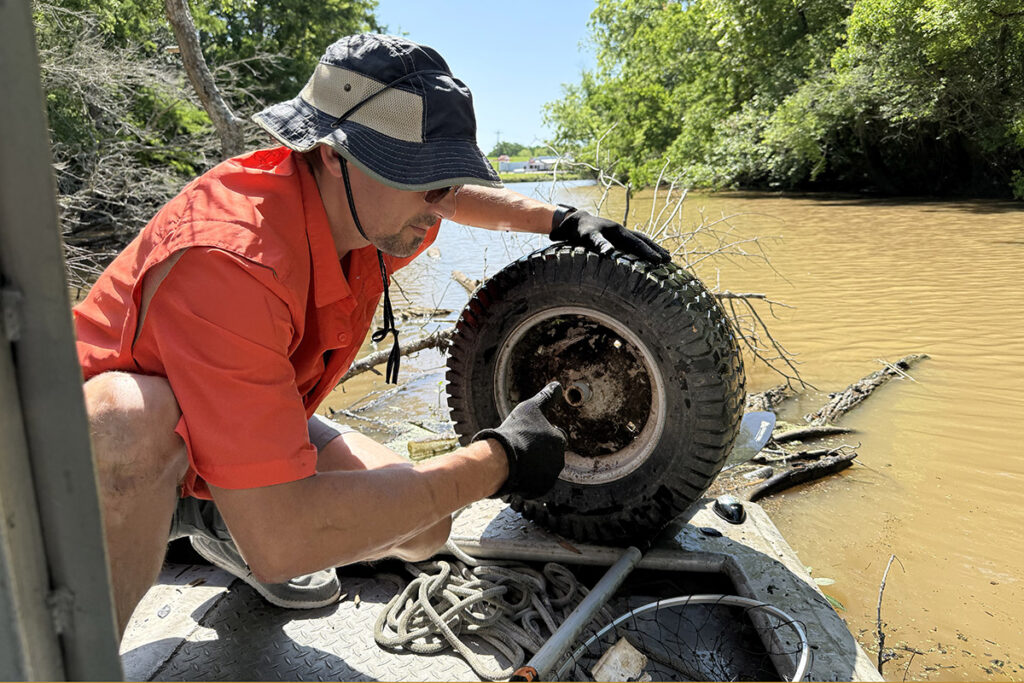
The good news is that litter in the waterways is one of the environmental problems we can actually solve. It doesn’t require new technology or complicated science. It mostly comes down to prevention and community involvement.
The first step is simple: keep litter from entering the water in the first place. Securing loads in truck beds, covering trash cans, and properly disposing of waste all make a difference. Businesses and construction sites can also help by making sure dumpsters and debris piles are protected from wind and storms. Communities can organize cleanups to remove trash before it has time to spread deeper into the system. When volunteers remove debris from key choke points like bridges and canals, they prevent that trash from traveling further downstream.
Education is also a powerful tool. When people understand how litter moves through the landscape and the problems it causes, they are much more likely to change their habits. Finally, partnerships between volunteers, nonprofits, local governments, and businesses can greatly increase the scale of cleanup efforts. Every bag of litter removed from the water is one less problem moving through the system.